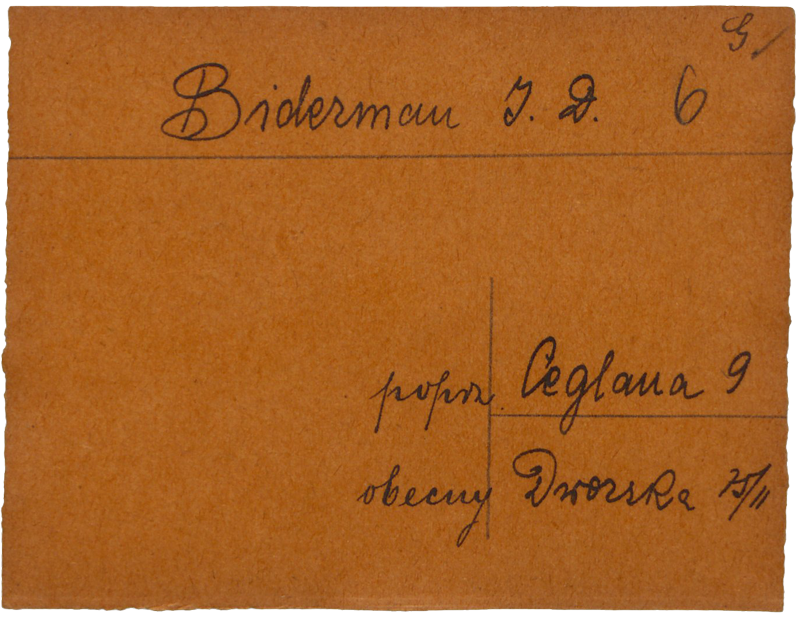
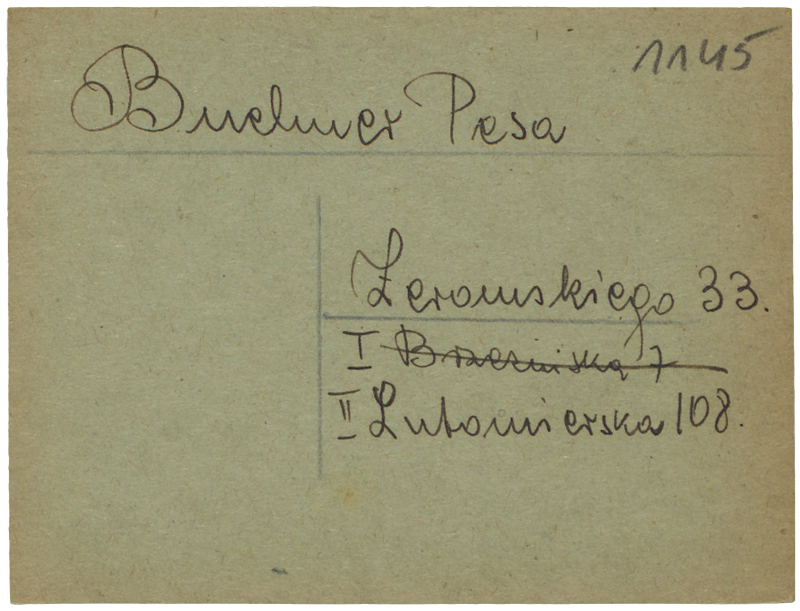
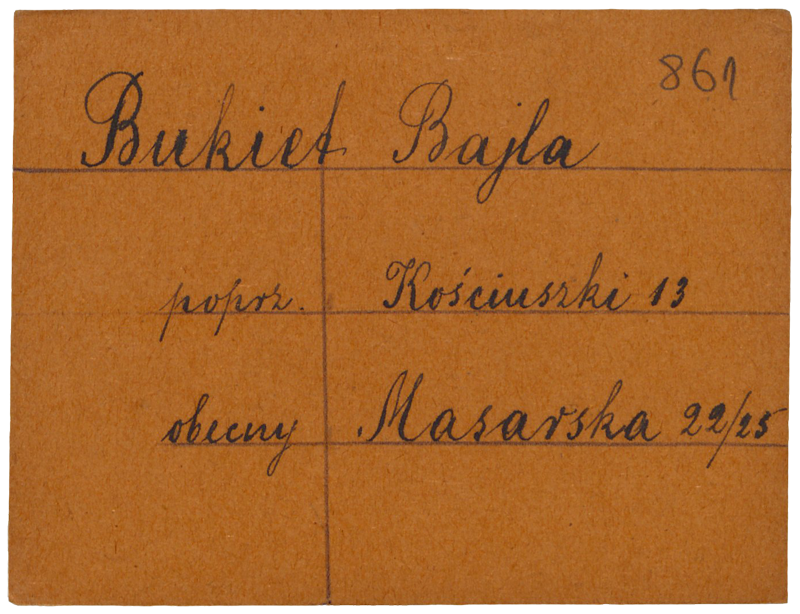
post
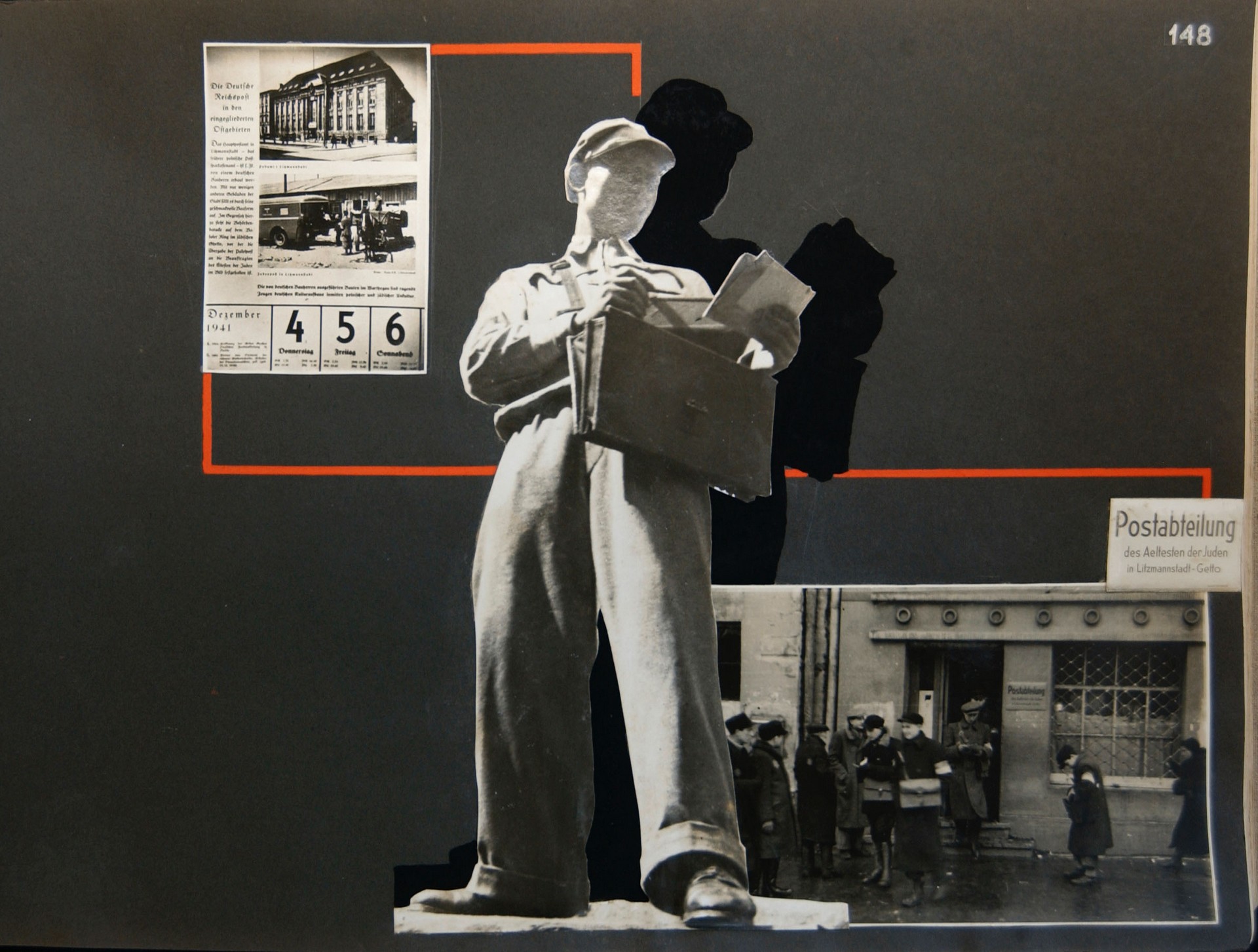
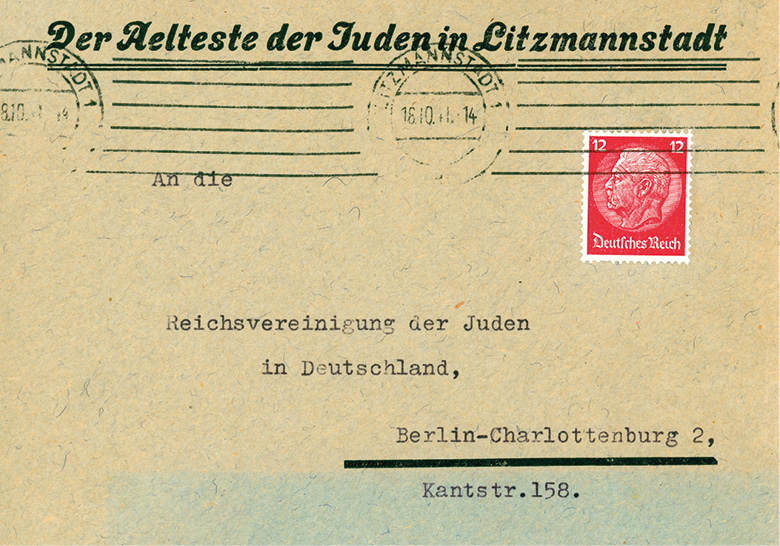
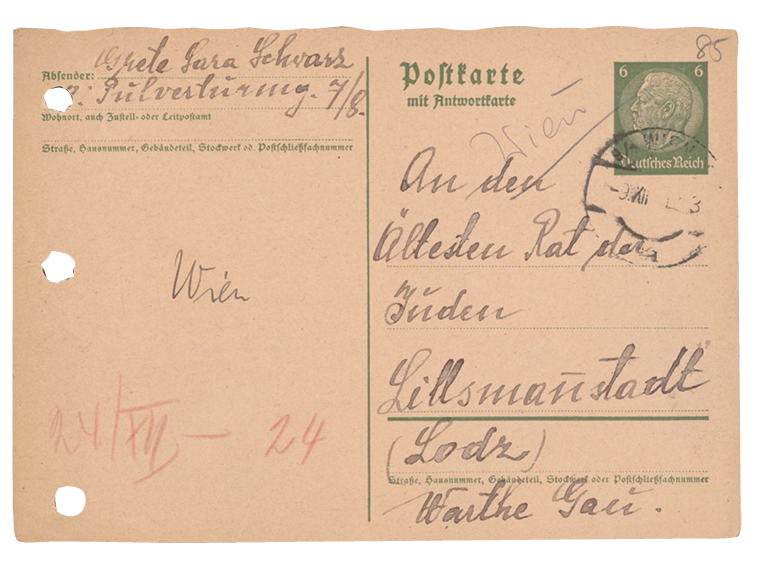
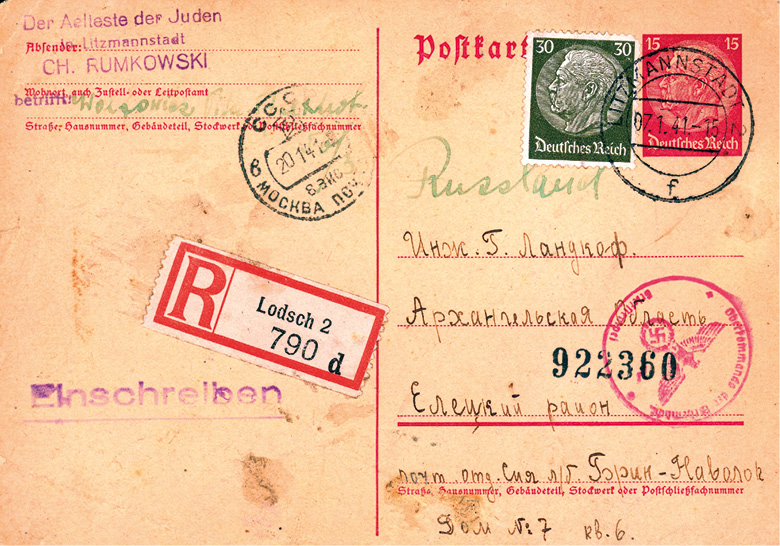
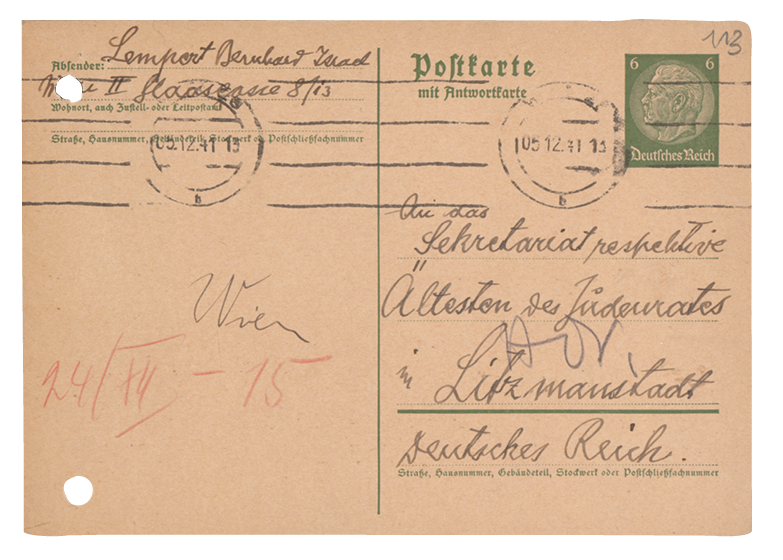
Since the designation of the Jewish Residence
District (Wohngebiet der Juden), the city's postmen were prohibited
from delivering correspondence to Jews. All letters and parcels were
delivered to the office of the Eldest of the Jews in the Bałuty
Market Square with instructions to deliver them onward. In the first
period, Rumkowski's office announced a list of people to whom they
were to report for deliveries. This created a great deal of
confusion, especially in view of the urgent need to contact loved
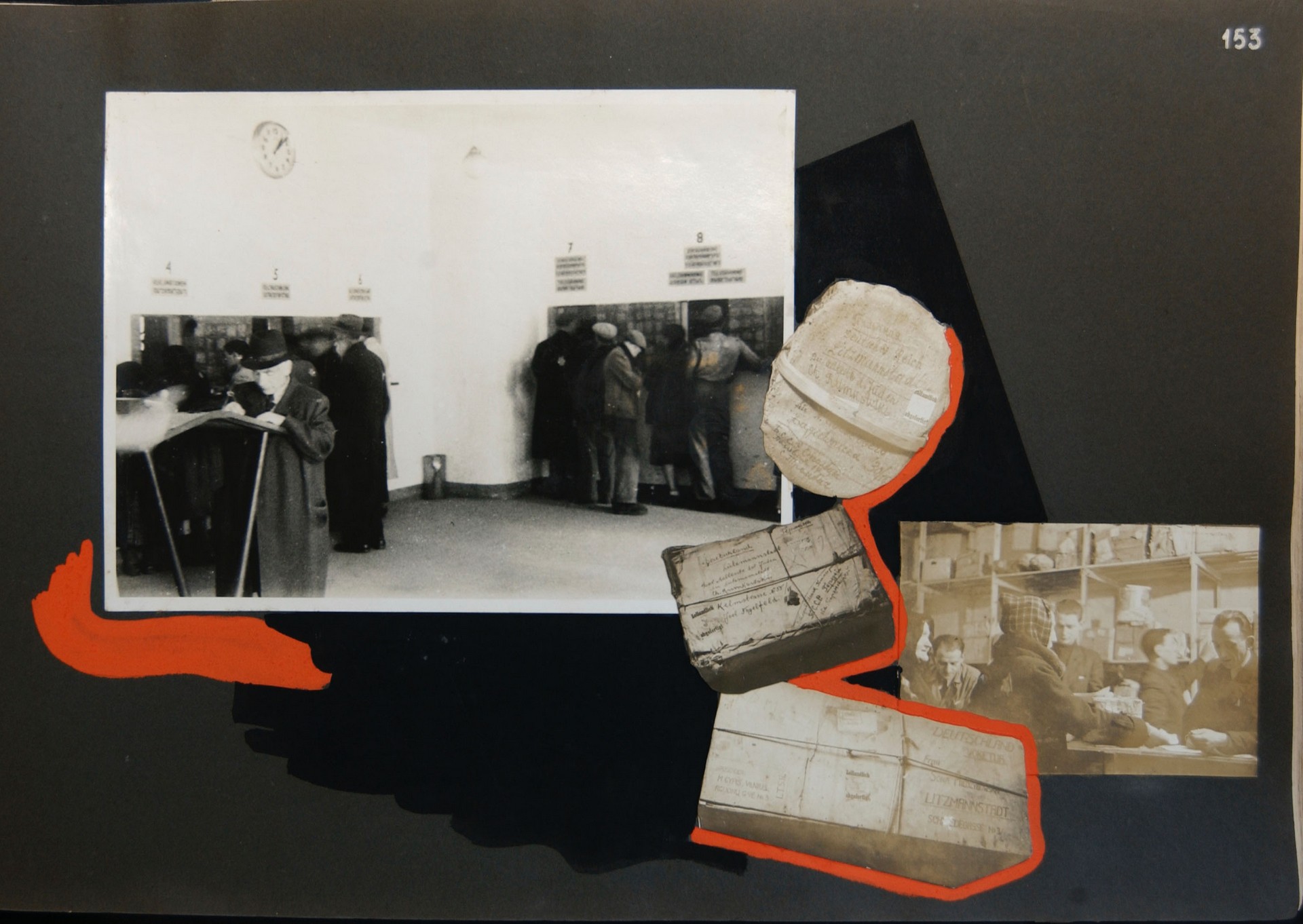
ones incarcerated in the ghetto. Many parcels apparently returned to
their addressees, as can be seen by a special stamp with the text
“Empfänger im Ghetto nicht auffindbar” (Addressee in the ghetto
impossible to find).
The
need to streamline the delivery of correspondence led to the
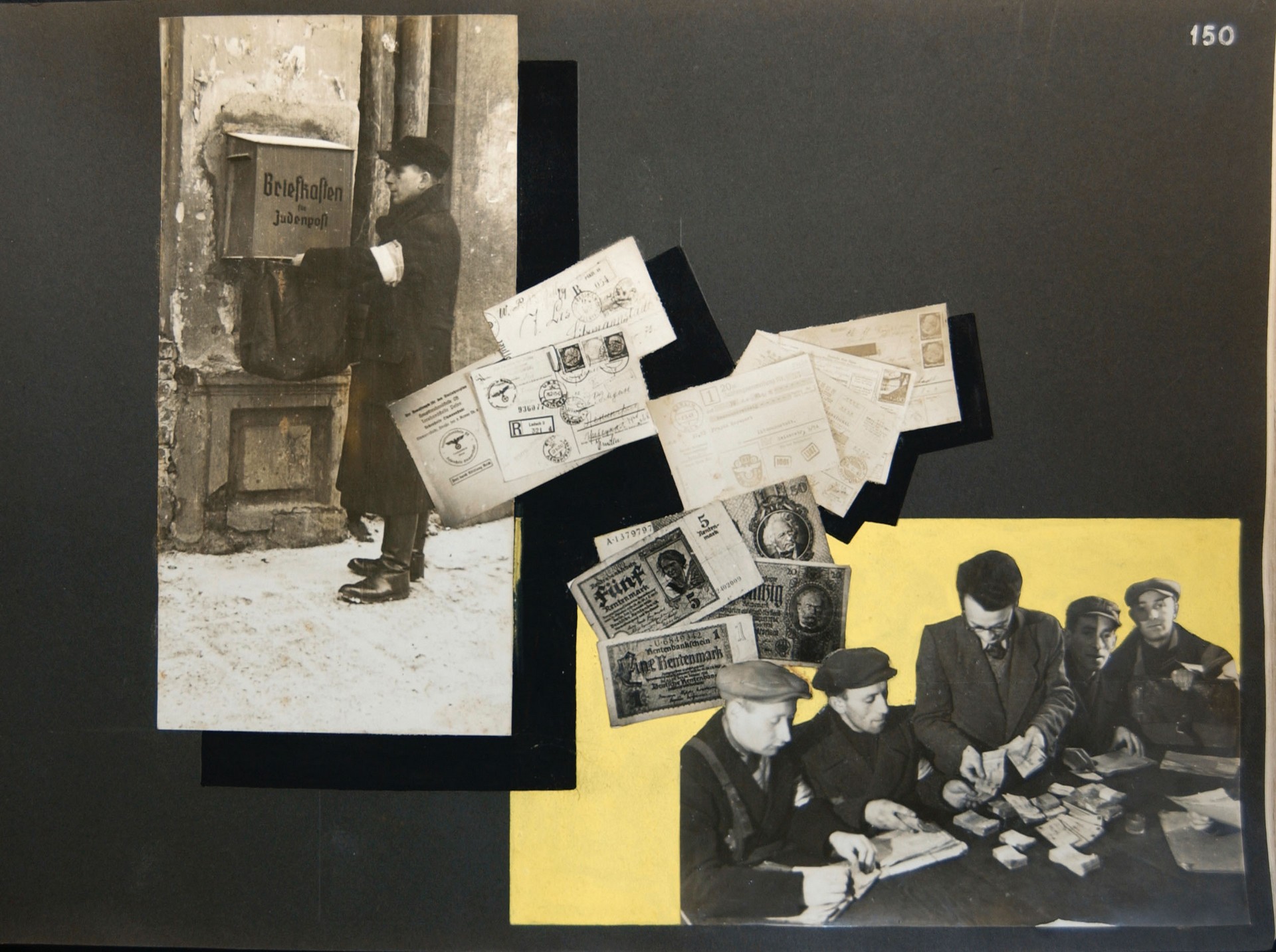
establishment of the Postal Department on March 15, 1940. This
institution grew very quickly, taking over the circulation of not
only letters, but also parcels and money orders.
On March 29, 1940, Mordechai Chaim Rumkowski
issued Proclamation No. 14, informing of the assumption of
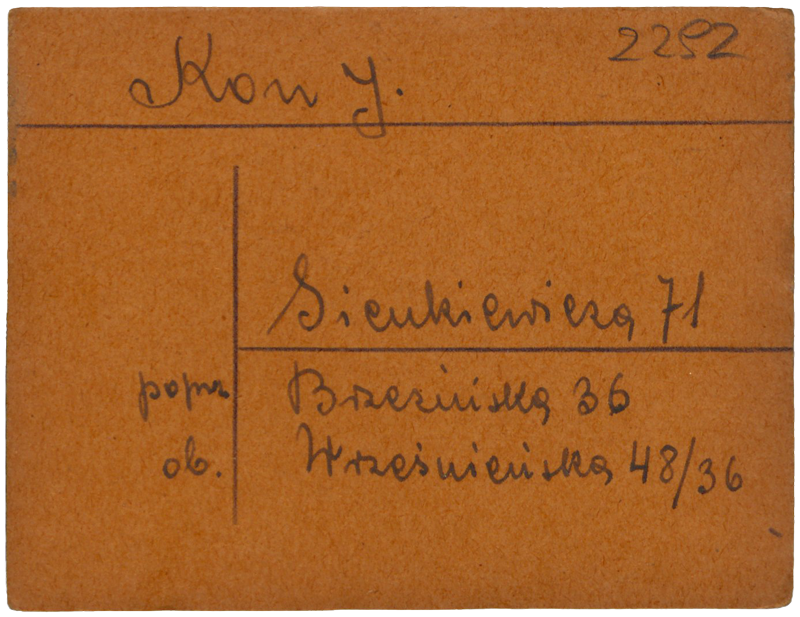
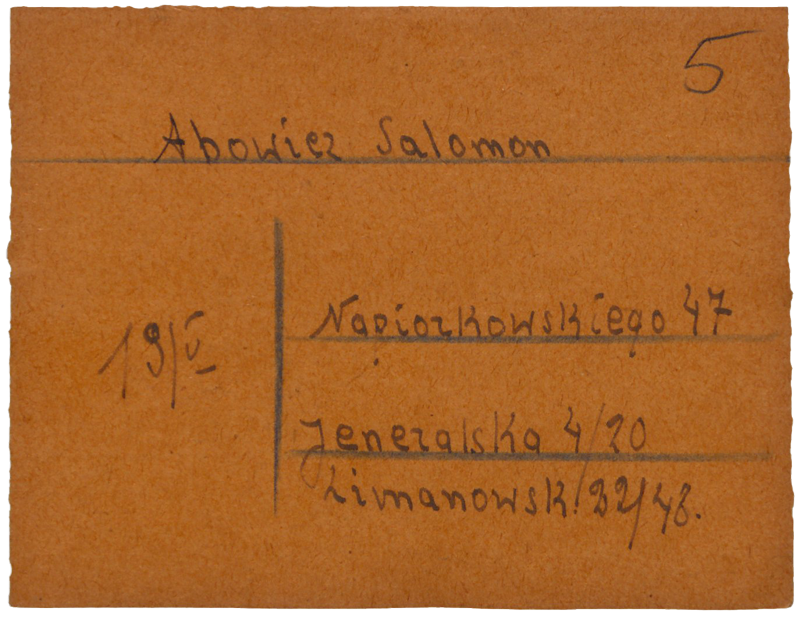
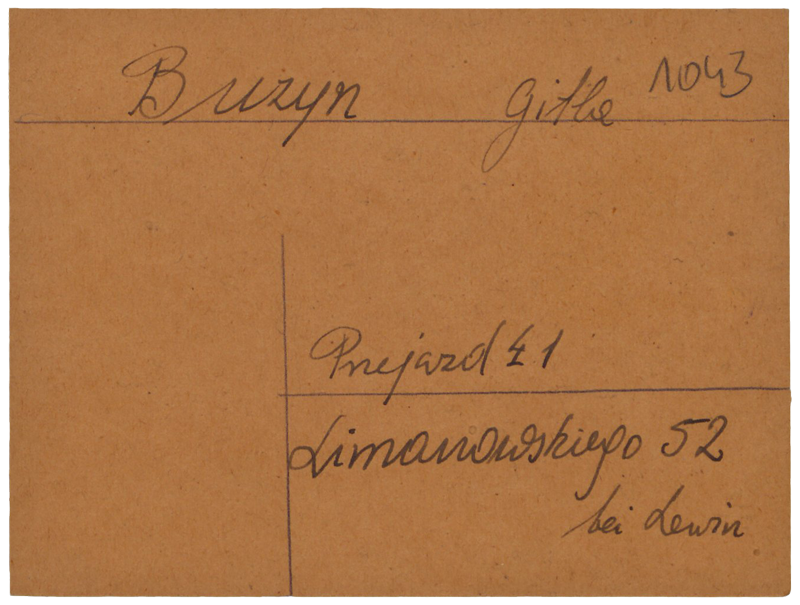
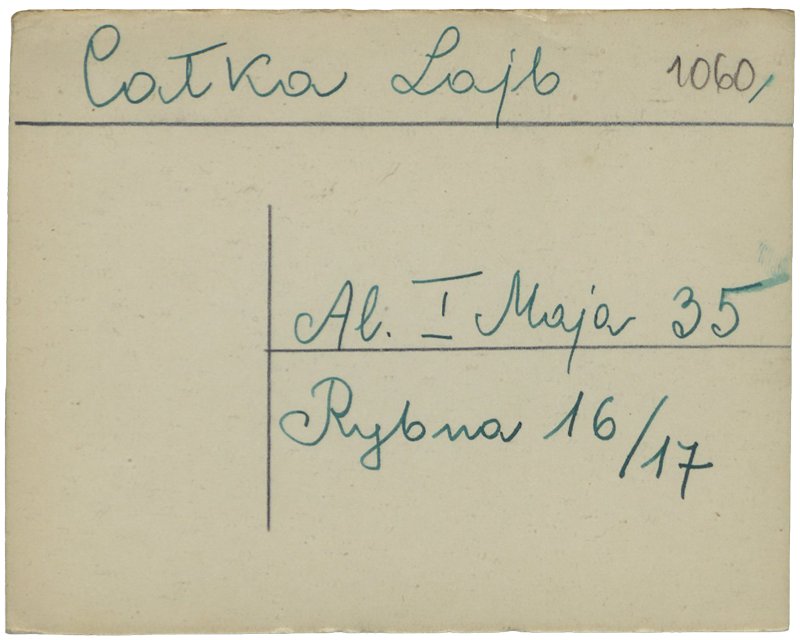
responsibility for mail delivery and the need for new addresses.
“The distribution of mail to the Jewish
population now remains our responsibility. As a result of the
resettlement, we do not know the new addresses of mail recipients.
Since
it is the wish of every recipient to receive mail punctually and
promptly, there is a need to give us very accurate new addresses
immediately.
For
this purpose, we provide forms at our premises at 6 Church Square,
which must be filled out and returned to our facility.
Only
in this way will it be possible to deliver mail punctually to those
with new residential addresses.”
(Announcement
nr 14, APŁ, PSŻ 1066, k. 57)