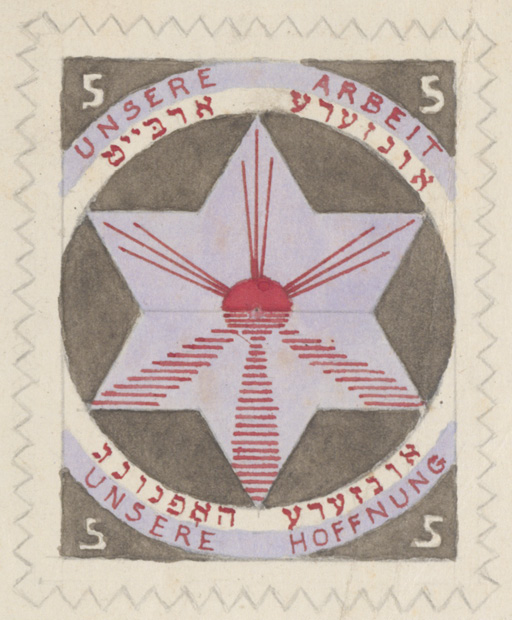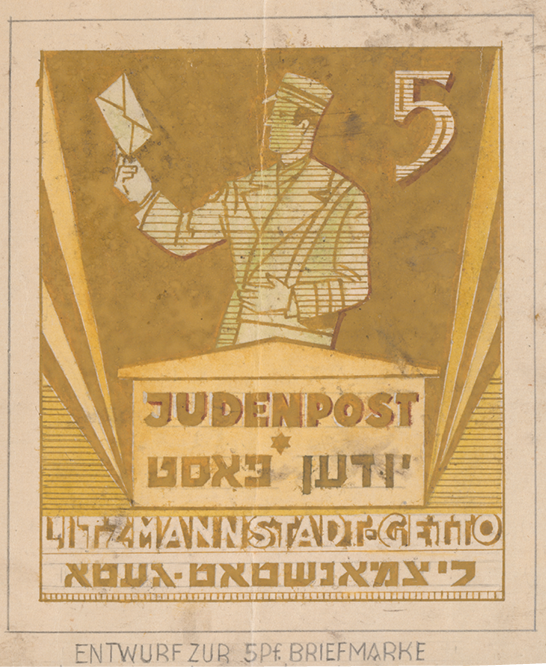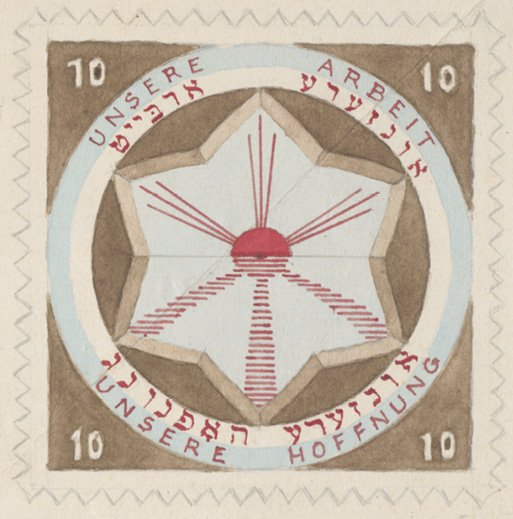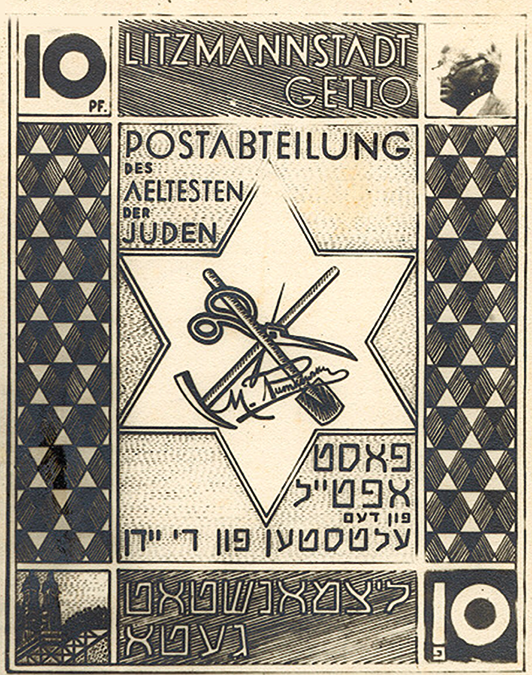
Announcement
(Żydowski Instytut Historyczny)
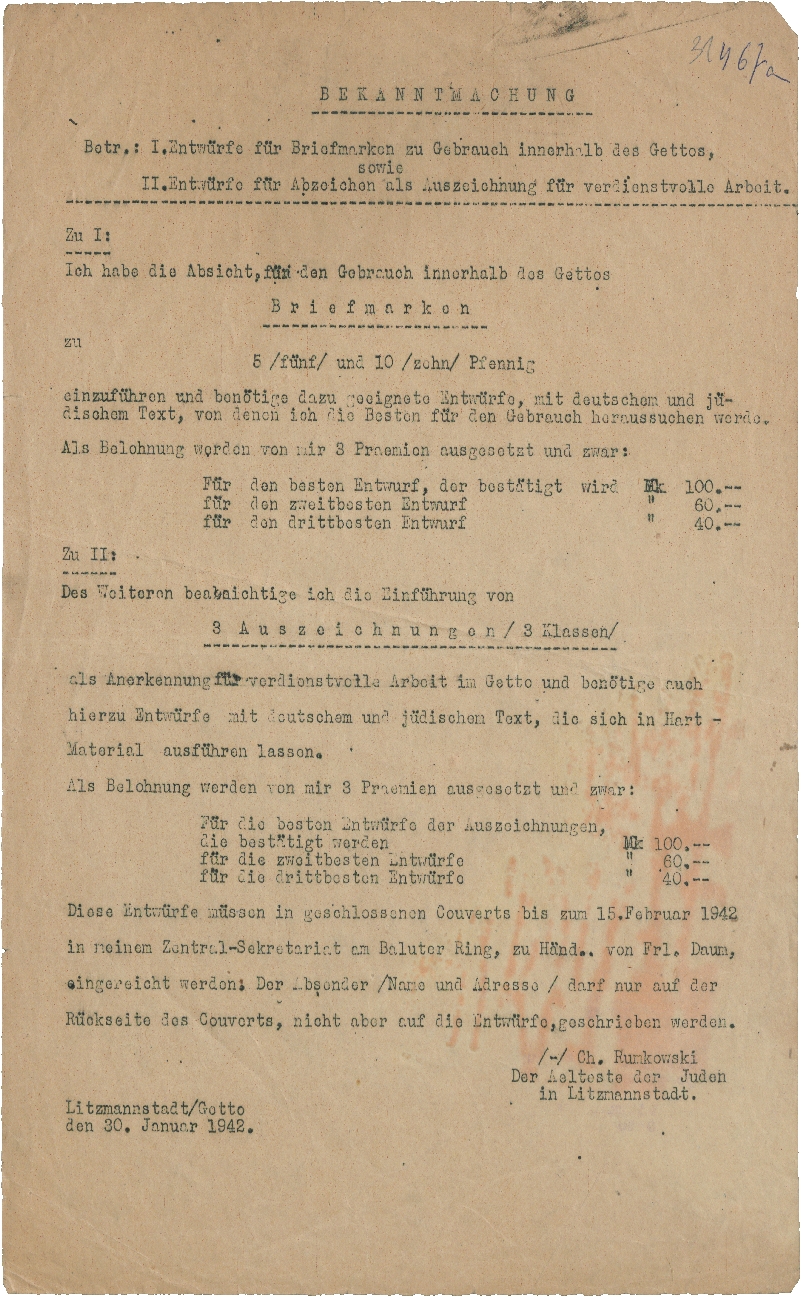
ANNOUNCMENT
Concerning:
I.
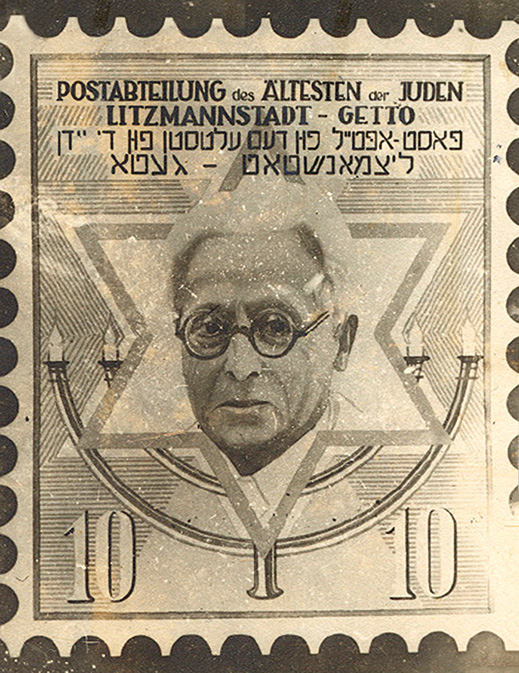
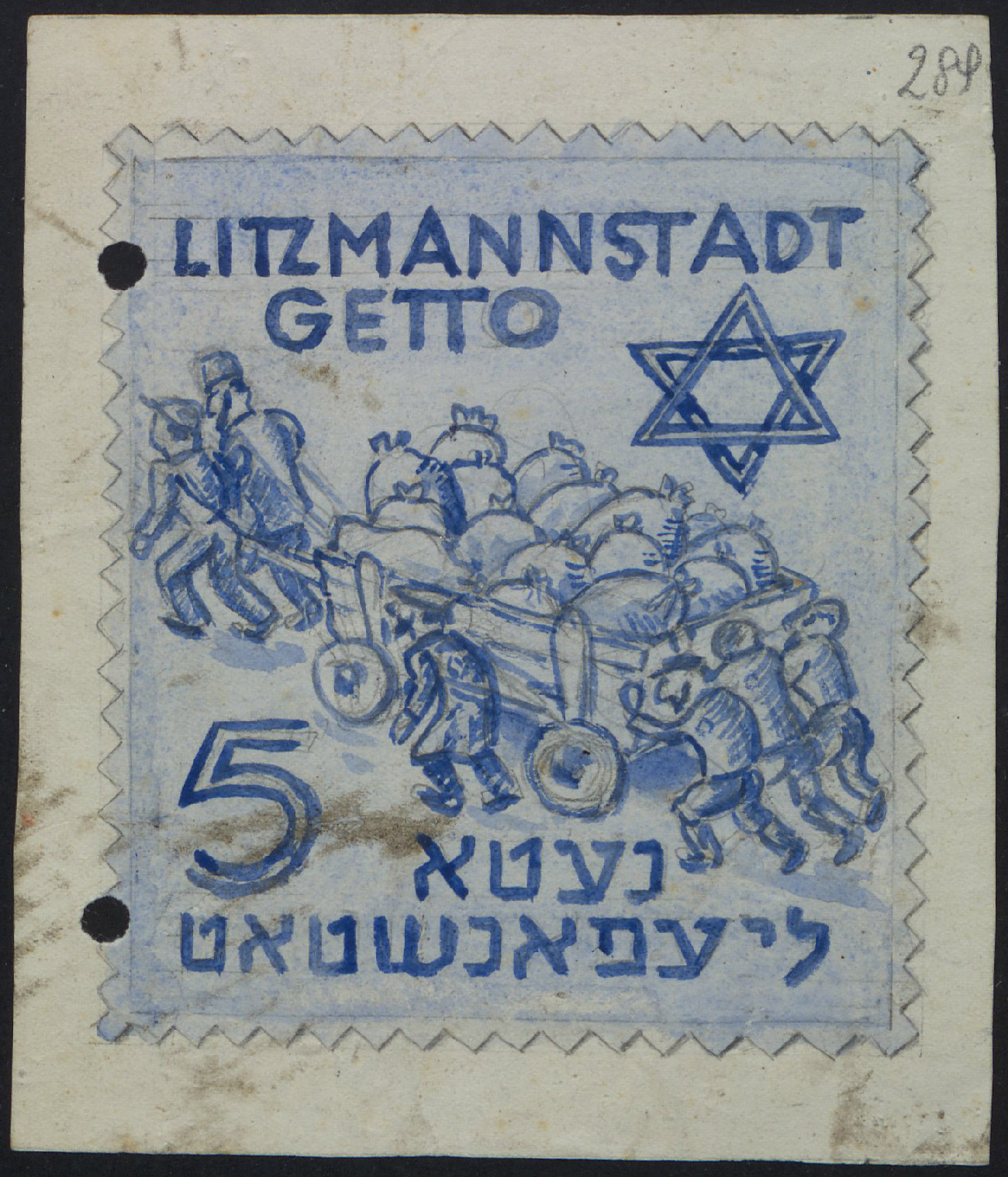
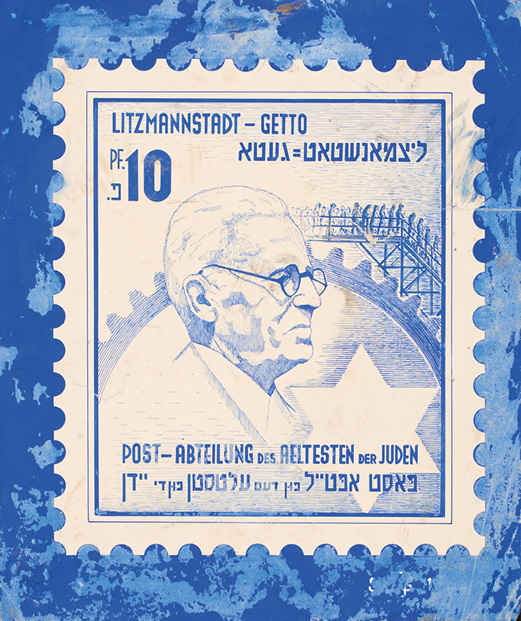
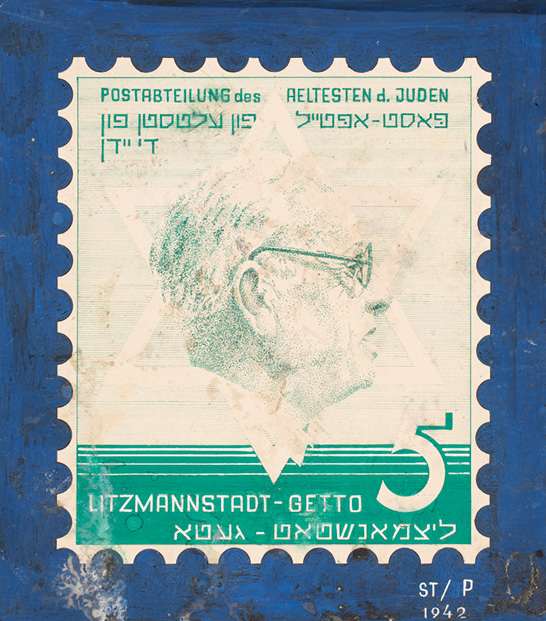
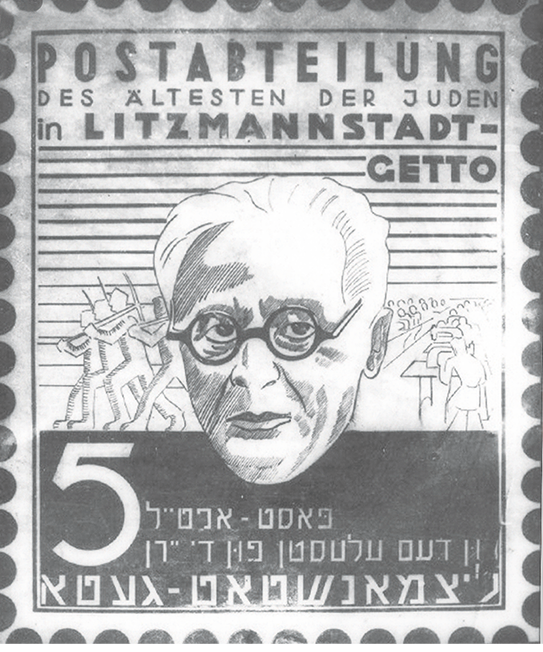
Projects for stamps for internal ghetto use, as well as
II.
Designs for decorations for meritorious work
Re.
I. I intend to introduce for internal use postage stamps
of
the value of
5
and 10 fen
I
need for this purpose suitable designs with German and Jewish text,
from which I will select the best. As remuneration, 3 bonuses have
been set, namely:
For
the best project that will be accepted Mk 100.-
For
the second best project Mk. 60.-
For
the third best Mk. 40.-
Re.
II. In addition, I intend to introduce
3
awards / 3 classes /.
In
recognition of merit for work in the ghetto, and I require projects
with German and Jewish text that can be implemented in hard material.
I
propose 3 awards as prizes, namely:
For
the best prize projects that have been approved Mk 100.
For
the second best project '' 60.-
For
the third best project '' 40.
These
projects should be submitted in sealed envelopes by February 15, 1942
to my Central Secretariat at Bałucki Rynek, to Miss Daum. The sender
(name and address) can only be mentioned on the back of the
envelopes, not on the projects.
Litzmanstadt/Getto
On
January 30, 1942
Ch.
Rumkowski
The
Eldest of the Jews
In
Litzmannstadt